
International buyers evaluating an ambient bakery supplier are usually solving a distribution problem as well as a product-sourcing problem. The selected bread must fit the route from production to import, local storage, retail placement and final sale.
A long shelf life bread manufacturer should support that review with product-specific information. “Long shelf life” is not one universal duration and should never be applied across a whole product range without approved evidence.
Define the Required Distribution Window
Buyers should begin by mapping the expected route and usable selling period. The total stated shelf life is only one input. Time is also used by production scheduling, export transport, customs clearance, local warehousing and delivery to the retail channel.
A practical brief can identify:
- Destination market.
- Expected transport and clearance route.
- Warehouse and retail handling conditions.
- Target sales channel and replenishment model.
- Minimum usable selling window required on arrival.
- Product and packaging format under review.
This information helps the supplier understand the commercial objective without promising a result before the exact product is confirmed.
Ask for Product-Specific Shelf-Life Evidence
Shelf-life information should be tied to the selected SKU, approved specification, packaging and storage condition. Buyers should confirm the current record rather than rely on a category statement or another product's value.
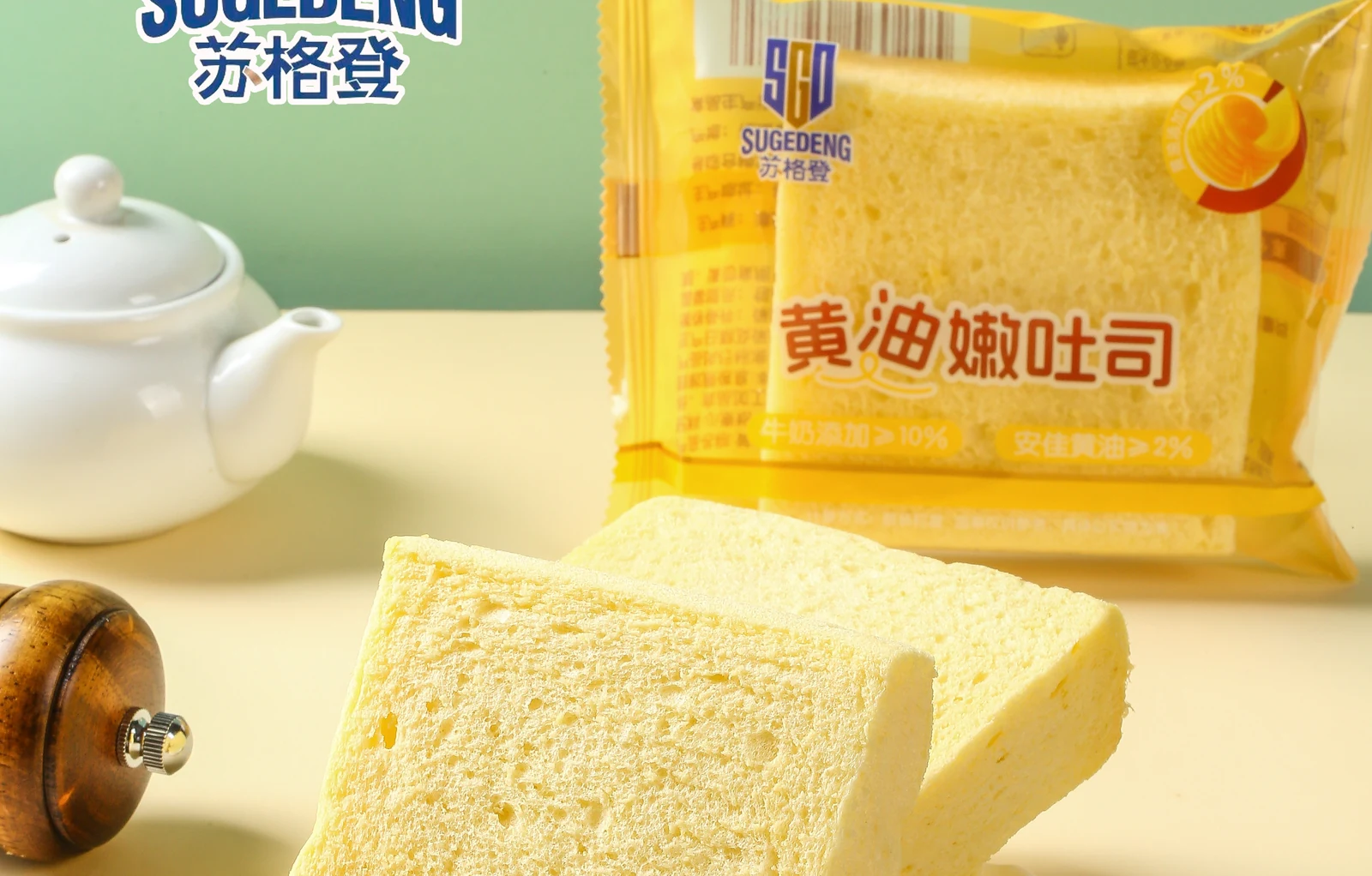
SUGEDENG publishes product-specific information where it has been approved. The Toast Bread category and Egg-Wrapped Bread category allow buyers to compare current reference items before requesting detailed confirmation.
If a product is customized, the existing shelf-life statement should not automatically be carried over. Changes to format, specification or packaging may require separate review.
Evaluate Packaging for the Route
Packaging must support the approved product through the intended distribution route. The buyer and manufacturer should review retail-pack presentation, packing configuration, carton information and any label requirements identified for the destination market.
Key questions include:
- Which current packaging is linked to the shelf-life information?
- Can the requested retail format be reviewed for the selected product?
- Which unit and carton facts are confirmed?
- What storage statement must appear on the pack?
- Who supplies and approves destination-market label content?
Reference carton values should not be presented as individual unit weights. Photos also should not be used to infer specifications.
Compare Suppliers Beyond the Headline Number
A higher shelf-life number does not by itself identify the better bakery partner. Buyers should compare the quality of the supporting information and whether the product fits the target channel.
A supplier review can cover:
- Product-category manufacturing fit.
- Clarity of specification and storage information.
- Packaging review capability.
- Quality-management evidence and certificate scope.
- Communication about customization boundaries.
- International-business coordination.
- Protection of customer information and formulas.
For a broader factory assessment, see How to Choose a Reliable Bakery Manufacturer in China.
For the foundational shelf-life planning framework, read the Shelf-Stable Bread guide for international distribution.
Plan for Importers, Distributors and Retail Chains
Importers need enough remaining commercial time for local distribution. Distributors need a case and replenishment plan. Supermarkets and convenience stores may have different shelf presentation and sell-through expectations.
The buyer should provide channel information early so product and packaging questions can be reviewed together. The manufacturer can supply approved product information, while the buyer confirms local import, labeling and retail obligations through qualified advisers.
Use OEM Review for Market-Specific Requirements
An OEM or private-label program may include product format, specification, packaging and branding review. These options must be confirmed for the selected product and should not be interpreted as a promise that every shelf-life target is achievable.
SUGEDENG's OEM bakery manufacturing service gives importers a structured route for discussing product and packaging requirements. The process protects confidential formulas and customer information while identifying what can be confirmed for the project.
Discuss Long Shelf Life Bread With SUGEDENG
SUGEDENG is a China bakery manufacturer serving international B2B buyers with Toast Bread, Egg-Wrapped Bread and Cake. Product-specific shelf life, storage, unit specification, packaging and certification applicability are confirmed during inquiry.
Review the complete bakery product portfolio, then contact the international business team with your destination market, selected product, route assumptions and required commercial window.