Introduction
Choosing an OEM bakery manufacturer in China is not only a product-sourcing decision. For an importer, distributor, retailer or private-label team, the manufacturer must fit the intended product category, specification, packaging plan, destination-market requirements and commercial process.
A useful evaluation starts with a clear buyer brief and evidence that can be checked. Product samples and quotations matter, but they are most meaningful when both parties have aligned on the product format, target market, packaging, expected order requirements and the documents that may need to be reviewed. This guide outlines the main questions B2B buyers should consider before selecting a bakery manufacturing partner.
Why Choosing the Right OEM Bakery Manufacturer Matters
An OEM project connects product decisions with packaging, quality review, production planning and international distribution. If those requirements are unclear at the beginning, two suppliers may prepare proposals for materially different products even when the initial request sounds similar.
The right partner should be able to discuss what is feasible, identify information that is still missing and explain which details require confirmation. Buyers should look for clear communication rather than broad promises. A manufacturer that asks detailed questions about the target product, market and pack format can help make the evaluation more precise.
The commercial objective also needs to remain clear. A distributor adding a new bakery line, a supermarket planning a private-label product and a brand owner developing a custom format may need different levels of product and packaging review. SUGEDENG's OEM and private-label bakery manufacturing solutions provide a reference point for buyers assessing this type of cooperation.
1. Evaluate Manufacturing Capability
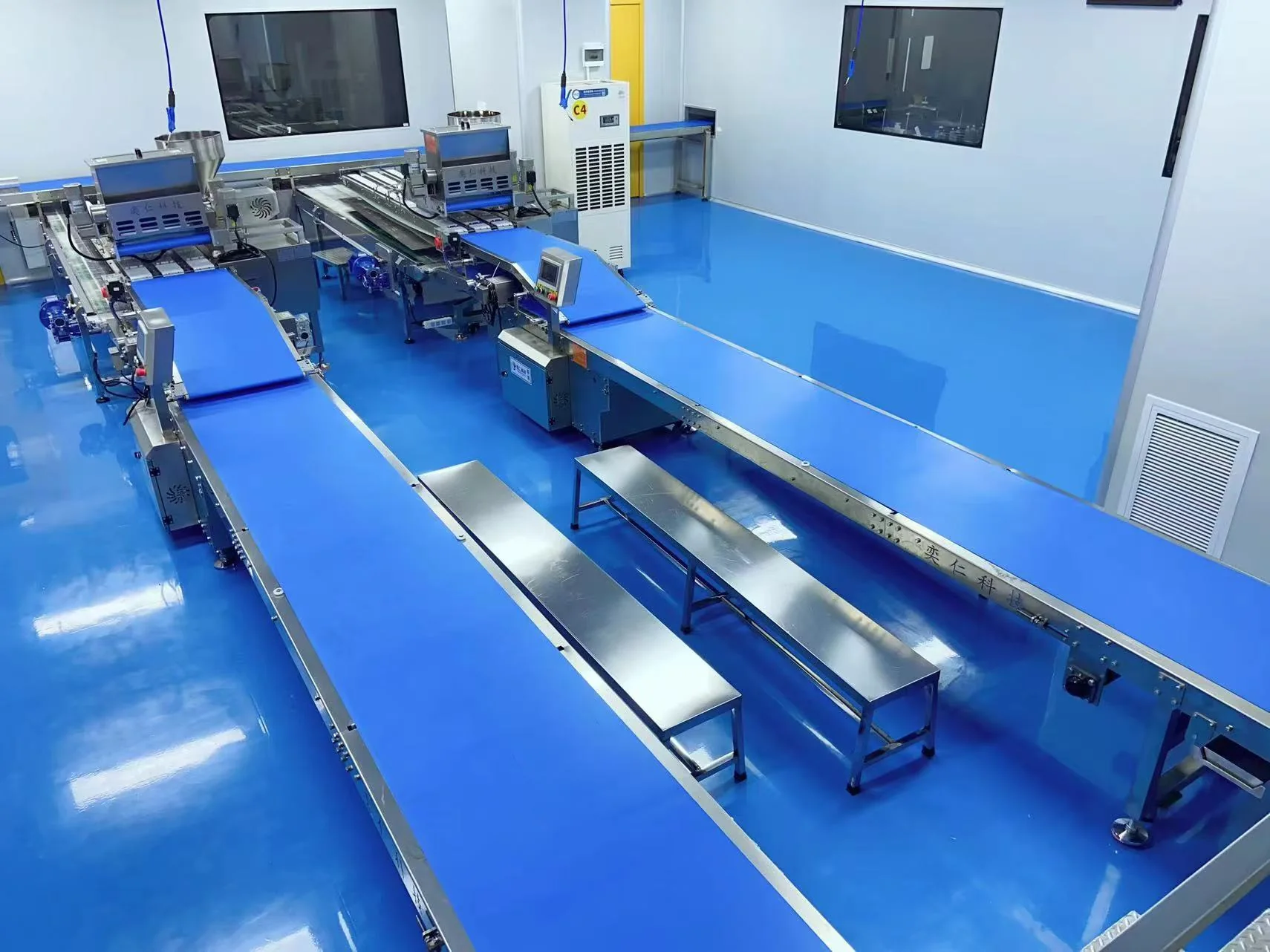
Start by checking whether the manufacturer works with the bakery category and product format required for the project. A general claim such as “we make bread” is not enough to establish whether a particular concept fits the factory's current product scope.
Buyers can ask for a structured review of:
- The product family and reference format.
- The intended unit specification and retail presentation.
- Current product examples that are relevant to the brief.
- Packaging requirements and carton information that need confirmation.
- The steps used to review feasibility and confirm a product before production.
The objective is not to obtain confidential manufacturing details. It is to confirm that the supplier understands the requested product and can discuss it in concrete, reviewable terms.
SUGEDENG's current public portfolio includes Toast Bread for B2B supply, Egg-Wrapped Bread products and packaged Cake products. These category pages allow buyers to identify the closest starting point before presenting a custom brief. A reference product does not automatically confirm that every requested specification is available; the exact project still requires review.
2. Check Product Customization Options
Customization can refer to several different parts of a bakery project. Buyers and suppliers should define the term rather than assuming that it has the same meaning in every proposal.
Useful discussion areas include:
- Product format and size.
- Flavor direction within the manufacturer's approved capability.
- Retail packaging and branding requirements.
- Specification and carton requirements.
- Destination-market labeling information supplied or approved by the buyer.
Each point should be confirmed for the specific product. A capability shown for one family should not be generalized to every bread or cake format. The buyer should also separate the desired result from the method: the manufacturer can evaluate a product brief without disclosing formulas or proprietary process details.
Packaging deserves early attention because artwork, pack format, labeling and carton requirements can affect the project review. Buyers should prepare the target market, sales channel, desired presentation and any mandatory label information available from their own compliance process. The manufacturer can then identify which items are within its review scope and which require further confirmation.
3. Understand Quality Management
Quality evaluation should be based on documents and product-specific evidence, not a logo alone. Buyers can request current certificates, check the named organization and validity information, and confirm whether the documented scope is relevant to the product and cooperation being discussed.
Zhangzhou Sugedeng Food Co., Ltd. presents company HALAL, HACCP and ISO 22000 certification information for buyer review. Certification applicability should still be confirmed for the specific product, order and destination-market requirement. Buyers can review SUGEDENG's quality and certification information as part of their due diligence.
Other useful quality discussions may cover:
- How the approved product specification is confirmed.
- What packaging and labeling details are checked before production.
- Which product or shipment documents can be reviewed for the intended market.
- How samples and approved references are identified during project communication.
- Which storage and shelf-life statements apply to the exact SKU.
These questions help the buyer compare suppliers consistently. They should not be used to assume that one certificate covers every product or that one document list is sufficient for every destination market.
4. Review Export Experience
International bakery supply requires more than moving a finished product from one country to another. The product, packaging, labeling, shelf-life window, documentation and planned distribution route need to work together.
When evaluating export readiness, buyers should discuss:
- The intended destination market and sales channel.
- Product-specific storage conditions and declared shelf life.
- Expected timing across production, export preparation, transport and import handling.
- Retail-pack and carton information required for the program.
- Label content and documentation that the buyer or relevant authorities require.
- The communication process for confirming specifications and shipment details.
Experience should be reviewed through relevant evidence and clear answers. Buyers should not rely on an unverified list of countries or customer names, and a responsible supplier should not disclose another customer's private information to demonstrate capability.
Requirements vary by market. Importers remain responsible for confirming current destination-market rules with their own compliance specialists, customs advisers and relevant authorities. The manufacturer's role is to provide accurate information within the confirmed project scope and to identify items that require joint review.
5. Compare OEM Bakery Partners
A fair comparison requires the same brief to be sent to each shortlisted manufacturer. If product, packaging or commercial assumptions differ, price and feasibility responses will not be directly comparable.
Create a comparison table that records:
- Fit with the requested bakery category.
- Clarity of the proposed product reference and specification.
- Confirmed customization scope.
- Packaging and labeling review requirements.
- Quality documents available for verification.
- Questions raised about the target market and distribution plan.
- Sample, confirmation and production steps that have actually been agreed.
- Information still required before a quotation or final feasibility decision.
Communication quality is an important part of this comparison. Look for specific answers, clear limitations and documented confirmations. Vague agreement to every request can create more risk than a supplier that explains what must be checked.
Buyers should also compare the complete proposal rather than one headline number. Product format, unit and carton specifications, packaging, order basis, documentation and project assumptions all affect what a quotation represents. Any commercial comparison should use confirmed, like-for-like requirements.
Why Work With SUGEDENG
SUGEDENG, operated by Zhangzhou Sugedeng Food Co., Ltd., is a Chinese bakery manufacturer serving international B2B buyers with bread and cake products, OEM cooperation and private-label project review. The approved public portfolio covers Toast Bread, Egg-Wrapped Bread and Cake, giving buyers clear product families from which to begin a discussion.
SUGEDENG can review product-format, flavor, packaging and specification requirements within the scope of the proposed item. Availability and feasibility are confirmed project by project; formulas and confidential manufacturing details are not disclosed.
The company also provides HALAL, HACCP and ISO 22000 certification information for buyer review, with scope confirmation required for the relevant product and market. International buyers can use the public product pages, company information and direct business contact to prepare a more precise OEM inquiry.
For a commercial overview, review SUGEDENG's OEM bakery manufacturing and private-label options. When your product, market and packaging requirements are ready, contact the international business team to discuss the project.
Frequently Asked Questions
What information should buyers prepare before requesting an OEM bakery quotation?
Buyers should provide the target market, product category, preferred format, available specification, packaging concept, labeling requirements, expected order basis and any documentation questions. Reference images or an existing market product can help explain the intended result, but the manufacturer still needs to confirm feasibility and the final specification. Clear inputs make it easier to prepare a proposal that can be compared accurately.
Can bakery products be customized for different markets?
Product format, flavor, packaging and specification requirements may be reviewed for an OEM or private-label project. The available scope depends on the exact product and must be confirmed before an order. Buyers should also identify destination-market labeling and compliance requirements through their own qualified advisers so those requirements can be included in the project discussion.
What should importers check before selecting a bakery supplier?
Importers should check product-category fit, approved specifications, customization scope, packaging requirements, quality-system evidence, relevant certification scope, communication quality and export-project readiness. They should also confirm product-specific shelf life and storage information, required documents and the steps for sample or product approval. The final comparison should use the same buyer brief for every shortlisted supplier.
Selecting an OEM partner starts with a clear, verifiable brief. Review SUGEDENG's OEM bakery solutions or contact us to discuss your bakery requirements.